
Aaron Kesler
Class of 2013
Concert Band • Jazz Band • Rock Band • Musical Theater
_____
San Marin Performing Arts was a “land of opportunity” for Aaron Kesler—a place where he felt like he could try anything and everything. That freedom to branch out, explore new interests, and discover what he was capable of became a mindset he has carried with him ever since.
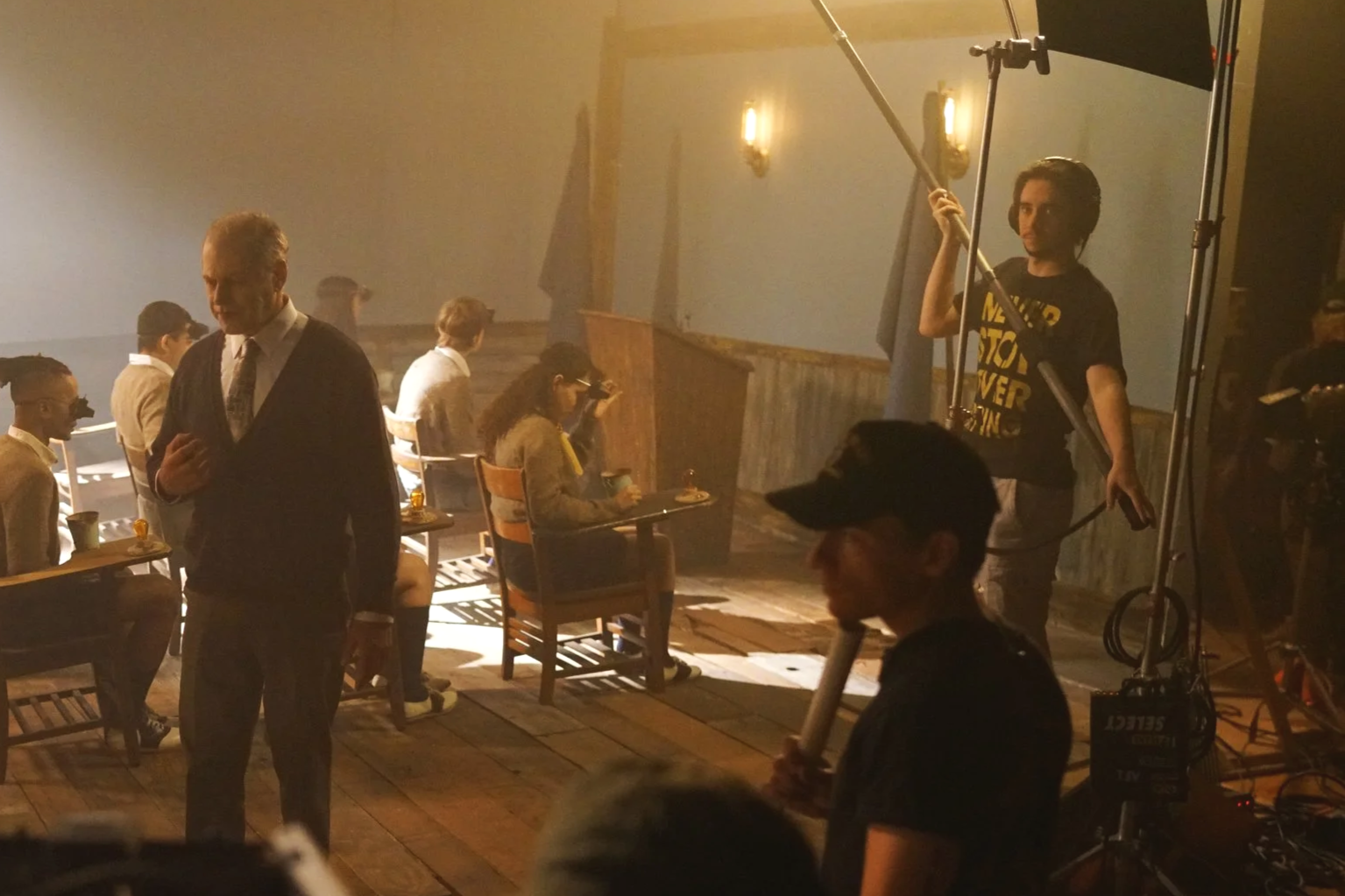
After San Marin, Aaron spent four years at UC Santa Barbara, earning bachelor’s degrees in Film and Media Studies and Anthropology—and continuing to make music, playing trombone and drums in the UCSB Pep Band all four years.
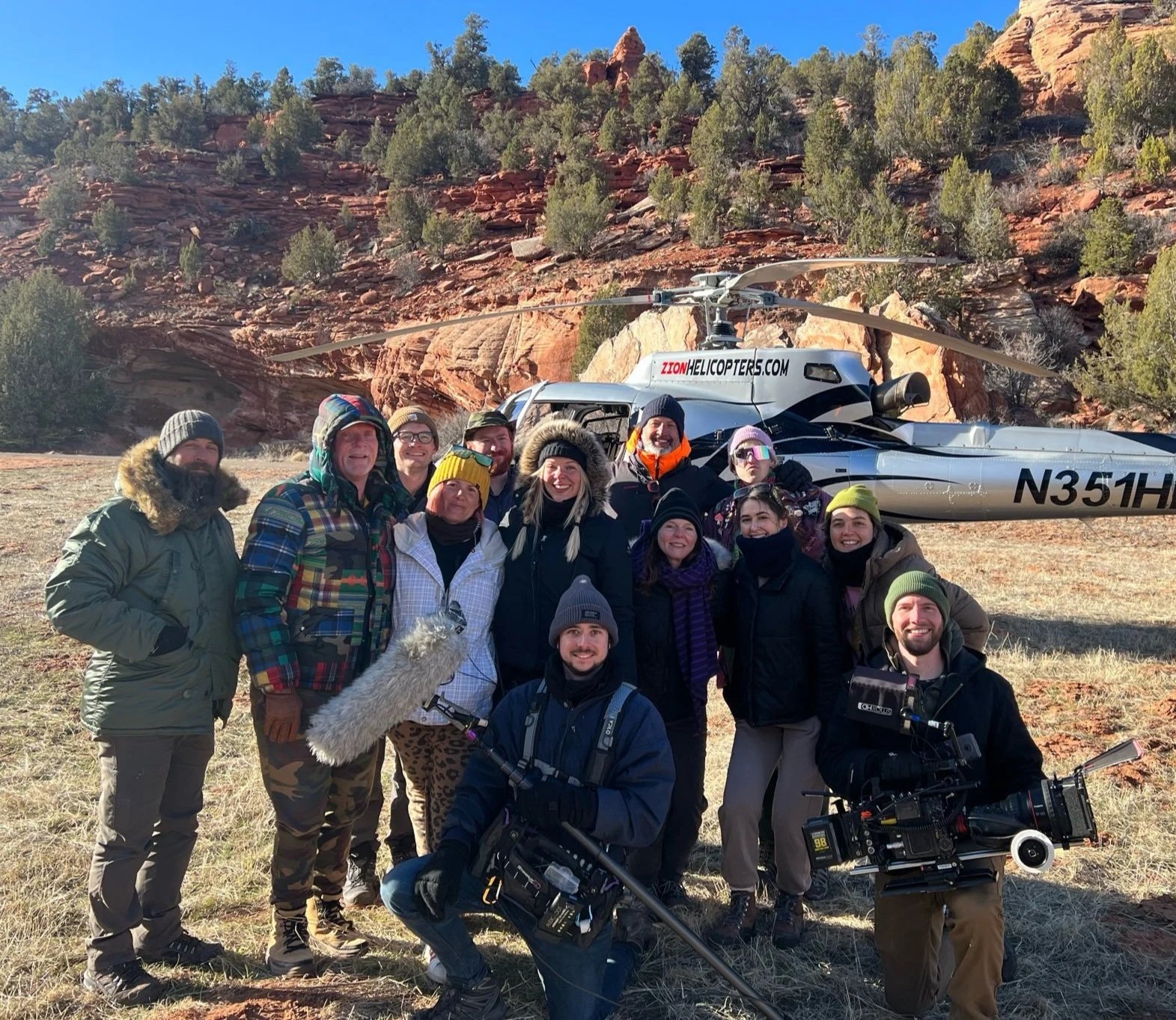
Career HighlightsWhile studying film, Aaron found his passion for production sound recording and editing and decided to pursue a career in film production. Beginning in 2017, he lived in Los Angeles and worked as a boom operator, sound mixer, and editor on a wide variety of film and television projects.
Over eight years working freelance in the industry, Aaron accumulated more than 90 IMDb credits, including numerous Lifetime TV movies, and worked on productions with Kelly Clarkson, Haley Joel Osment, A$AP Rocky, Dylan Sprouse, Margaret Cho, Dove Cameron, Rob Riggle, and others. Millions of people have heard his sound recordings!
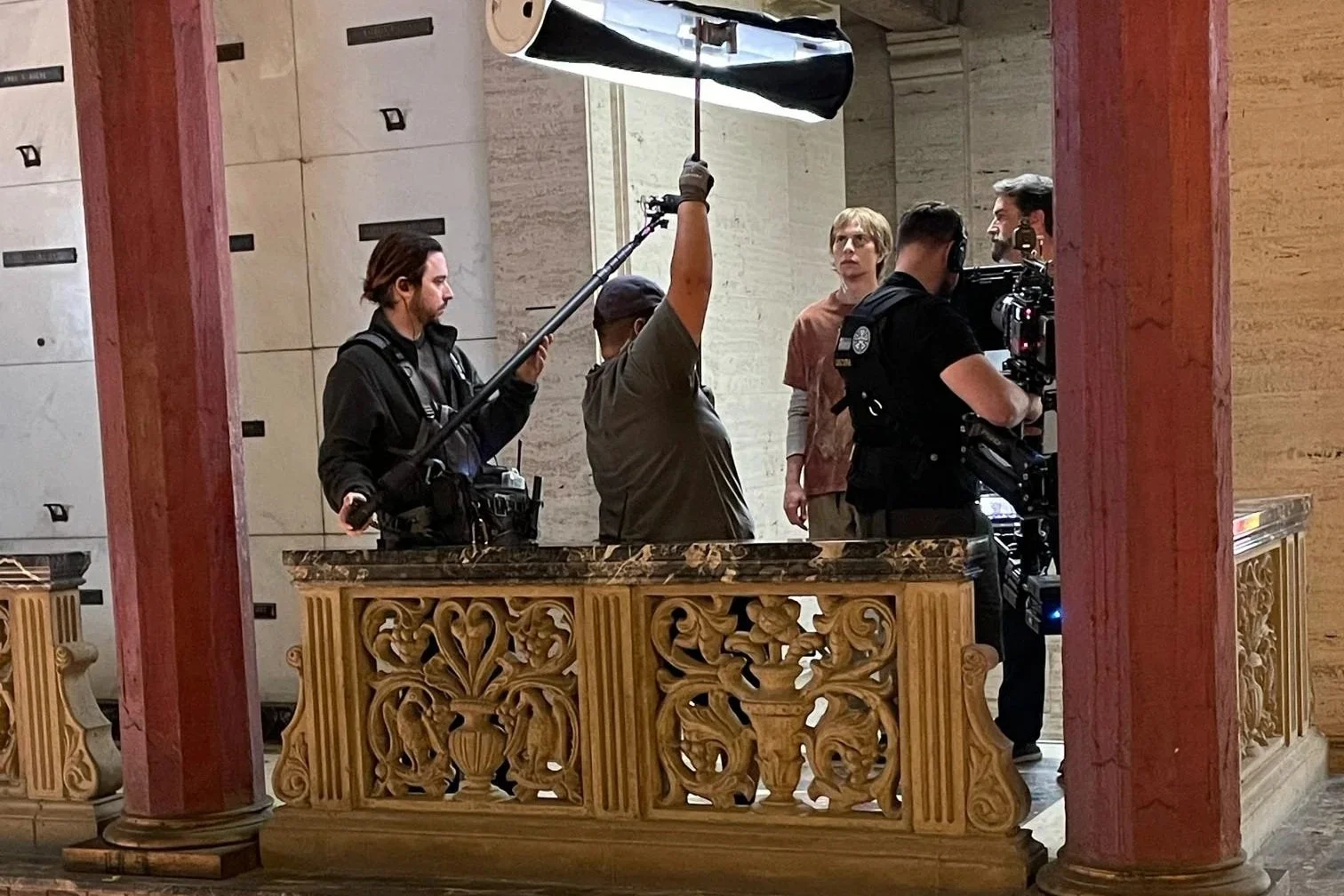
His years in Los Angeles also gave him the chance to work closely with teams of creative people from many different disciplines and backgrounds—an experience that echoed much of what he valued about performing arts at San Marin.
After eight years in film production, Aaron decided to take his career in an entirely new direction. He went back to school to study wastewater treatment and this year began working full time as a wastewater treatment plant operator.
“You could say I’m operating a whole new set of equipment now, with a lot better pay and job security!”
“I truly felt like I could try anything and everything, which ultimately led to significant self-discovery. It seemed like the only limit was myself and what I wanted to do, which is a mindset I have wholeheartedly carried with me ever since.”
REFLECTIONS & ADVICEFor Aaron, one of the most valuable things about San Marin Performing Arts was simply having the opportunity to explore.
“I truly felt like I could try anything and everything, which ultimately led to significant self-discovery.”
He thrived in an environment where he could easily branch out and try new things rather than having to focus intensely on one instrument or subject. To Aaron, that is part of the beauty of performing arts: the wide variety of skills students are exposed to through music, history, production and operations, technology, time and people management, coordination, and the constant push toward self-improvement.
“It seemed like the only limit was myself and what I wanted to do, which is a mindset I have wholeheartedly carried with me ever since.”
One of his favorite examples came during his junior year, when he made the leap from the pit orchestra to the stage.
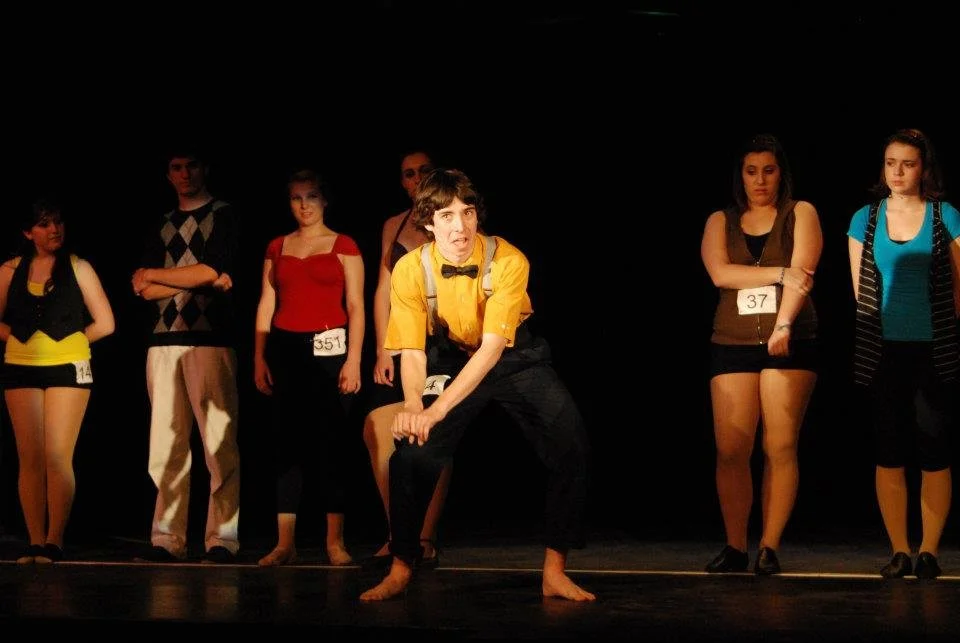
His fellow jazz trombonist Heather Stickle had read the character description for Bobby in A Chorus Line and decided Aaron would be perfect for the role. She created a poll on the music room whiteboard asking whether he should audition for the spring musical—something Aaron had never done before. Plenty of people voted yes.
Aaron took the chance, auditioned, and was cast as Bobby.
“Ultimately this surprised a lot of people, but there were a select few—including myself—that knew deep down I would flourish in this kind of role.”
Acting in musical theater went on to become some of his most cherished high school memories.
Aaron’s advice for students hoping to continue in the performing arts comes from his own experience spending his 20s in the Los Angeles film industry and meeting artists and creatives of all kinds.
“Thousands of people every year move to the big city with big dreams, but most of them give up after they hit the first rough patch. The key is allowing yourself room to fail, because just continuing to show up is half the battle.”
He encourages students to think realistically about how they can create room in their lives for artistic work to grow. Many of the most successful and resilient people he met had another source of income when performance or production work slowed down—whether through teaching, running a related business, finding a niche side hustle, or simply working another job.
And perhaps most importantly, he encourages students not to let the inevitable rough patches end the journey.
“Thousands of people every year move to the big city with big dreams, but most of them give up after they hit the first rough patch. The key is allowing yourself room to fail, because just continuing to show up is half the battle.”